
My Quiet Miracle: Finding Faith Again Through Medication
By: Taiwo A.
For the longest time, I believed healing had to happen only in sacred spaces. I thought it must look like a miracle in a church pew, a great lifting of darkness as I prayed on my knees. Depression, for me, was a test of faith. And whenever I couldn’t seem to lift myself out of it, I blamed myself. Maybe I wasn’t praying hard enough. Maybe my faith wasn’t strong enough. Maybe God was waiting for me to earn His help through suffering.
I carried this weight privately, like a stone in my chest. The guilt was the loudest sound in the room, louder than my own despair. It whispered that seeking help outside of prayer was a betrayal. It told me that trusting doctors was the same as doubting God. Every time I considered medication, I felt as though I was stepping outside the boundaries of what it meant to be a “good believer.”
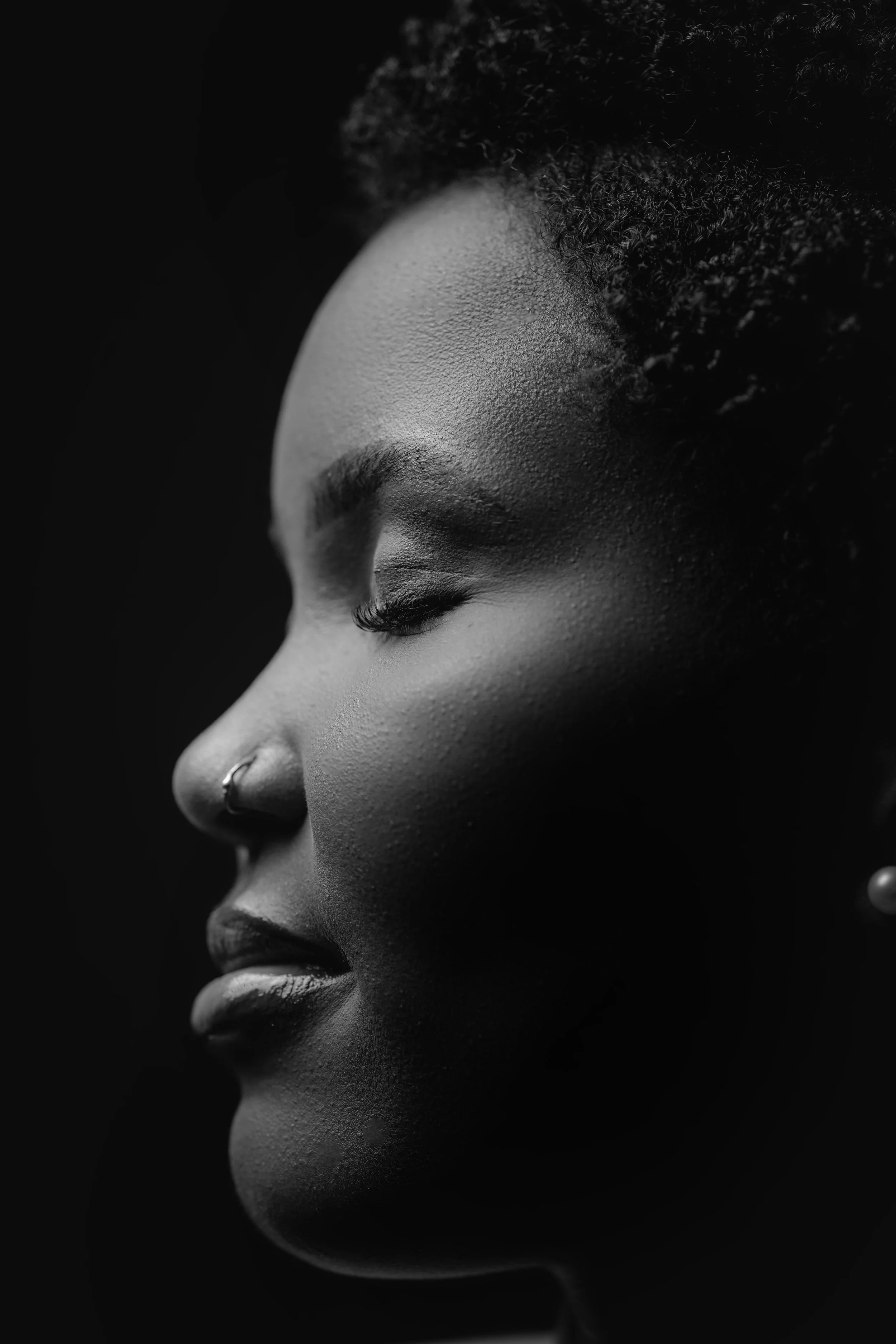
Photo de Bave Picturessur Unsplash
And then, one morning, I reached my breaking point.
I woke up in the dark, staring at the ceiling, my body heavy with the same fog that had been clouding my mind for weeks. I couldn’t lift my arms, couldn’t move toward the sunlight streaming through the blinds, couldn’t summon the words to pray. I thought about all the sermons I’d ever heard about patience, suffering, and divine timing. But my patience had run out. My suffering had outpaced all the theology I could recite. That morning, I realized that faith and survival were colliding in ways I didn’t understand and maybe I didn’t need to.
I made an appointment with a psychiatrist. The thought alone felt like treason. I imagined whispers in church hallways: “She gave up. She turned her back on God.” But I needed help. I needed air. I needed a path out of a darkness that felt endless. And so, I walked into a small doctor’s office, feeling a cocktail of fear, shame, and desperation.
The doctor listened. Really listened. She didn’t judge my beliefs, my prayers, or my fear of “losing faith.” She simply asked me questions, measured my heart rate, and explained, in gentle terms, how medication could stabilize the chemical imbalances that had nothing to do with the strength of my soul.
I remember the first time I swallowed that tiny pill. It was unremarkable in appearance, but monumental in meaning. I half-expected God to strike me down for what I saw as a betrayal to Him. Instead, I woke up the next morning and found myself able to breathe a little easier, to get out of bed without negotiating with every limb, to whisper a prayer without my chest twisting with guilt.
It was subtle at first. Not a miracle that would make headlines, not a moment of divine lightning. It was a quiet miracle, a small reclaiming of my life. My faith hadn’t left me; it had expanded. It made room for the possibility that God’s help could come through people in white coats, through science, through medications that steady the mind enough to hear the whispers of the Spirit. And yet, the shame lingered. Even as I felt better, even as my thoughts began to untangle, there was a part of me that struggled with the internalized idea that I needed to suffer to be spiritual. I had grown up in a community where mental health was an invisible stigma, where depression was “a test of character” and anxiety was “lack of trust in God.” To admit I needed medication felt like a confession not to God, but to my church community. I wrestled with this shame in quiet moments, in long walks outside, in journal entries that no one would read. I asked God to forgive me for doubting Him, for taking the route that felt worldly, scientific, unnatural. Slowly, I realized that forgiveness wasn’t necessary. God hadn’t abandoned me. I hadn’t abandoned God. I had simply accepted help that was offered in a form I hadn’t recognized before.
There is a misconception that medication and faith are opposites. That if you pray, you don’t need a pill, and if you take a pill, you must have abandoned prayer. That dichotomy nearly cost me my life. But medication isn’t a replacement for faith. It isn’t a shortcut or a sign of weakness. It is a tool that allows the mind to rest, to stabilize, to create a space where prayer, reflection, and genuine spiritual growth can occur.

Photo de Fa Barbozasur Unsplash
The real miracle isn’t the pill. The miracle is the freedom to exist without the constant shadow of self-reproach. It’s the ability to wake up, look in the mirror, and meet my own gaze without fear or anger. It’s the quiet mornings when I can whisper a prayer and feel it as something nourishing rather than guilt-laden. It’s the recognition that God’s grace can be found in a therapist’s listening ear as much as in a pastor’s sermon.
Sharing this story is not easy. There is vulnerability in admitting that faith alone was not enough, that sometimes the human body and brain need tangible, scientific assistance to function. But there is also a liberation in that honesty. Because if I have learned anything, it’s that God’s miracles do not always arrive in thunderclaps or celestial proclamations. Sometimes, they arrive as the ability to rise from bed, to eat a meal, to breathe, to exist and to whisper a prayer that doesn’t feel forced or heavy with shame.
I have come to understand that healing is not a single path. It is a weaving together of many threads: faith, medicine, community, therapy, self-care. It is learning that needing help is not a failing. It is learning that science can coexist with belief. And it is learning that what I once considered unspiritual– seeking medical treatment, acknowledging my mental illness, saying “I can’t do this alone”– can actually be deeply sacred.
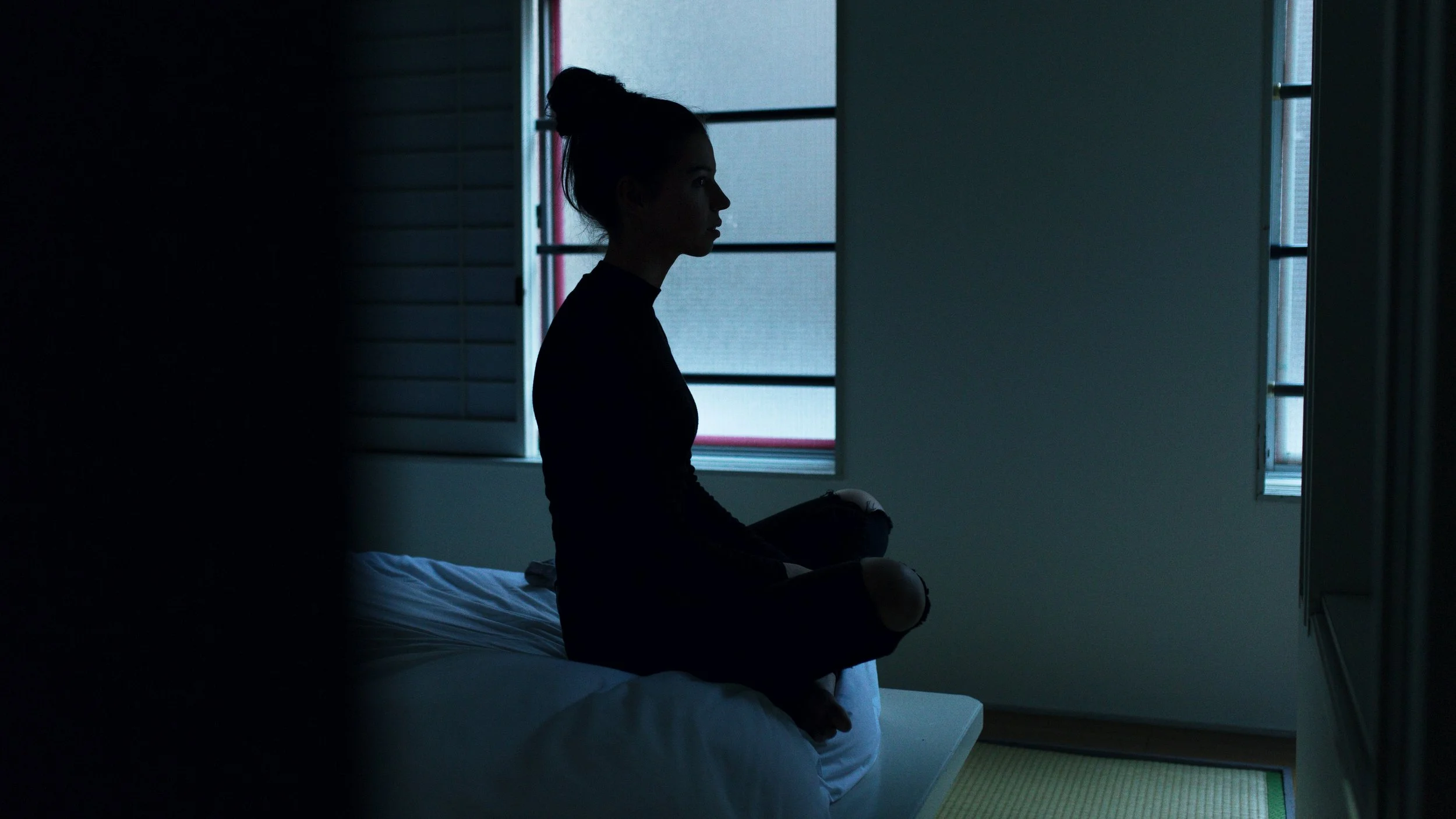
Photo de Ben Blennerhassettsur Unsplash
This is my quiet miracle: the reconciliation of my mind, my body, and my faith. It is the discovery that God’s love is not conditional upon suffering silently or rejecting help. It is the understanding that prayer can coexist with medication, that spirituality can expand rather than shrink in the face of science, that hope can be tangible as well as ethereal.
If you are reading this and you are afraid, ashamed, or caught in the impossible squeeze between your beliefs and your need for help, I want you to know that you are not failing. You are not betraying your faith. You are surviving. You are seeking the light in whatever way it comes to you. And sometimes, that light will arrive in a quiet pill, a supportive conversation, a doctor’s listening ear. And that is enough.
I have learned that miracles don’t always announce themselves with fireworks. Sometimes, they whisper. Sometimes, they are measured in breaths that come a little easier, steps that carry a little further, prayers that are no longer heavy with guilt. And sometimes, the quietest miracles are the most profound of all.
I am alive. I am healing. And I am still faithful.
Taiwo Adepetun is a writer interested in culture, identity, justice, and the emotional undercurrents shaping everyday life.
If you find this post valuable, believe in the mission of Mental Health Tings and would like to partner with us financially, you can make a one time donation by buying me a coffee!
You can also make a recurring monthly donation by signing up for our Here for the Blog $10 a month Patreon Tier.
All donations go toward the subscription cost of maintaining the website as well as payment for the various guest bloggers.
Thank you!